


The Soul of a Riad: The Stories Hidden Within Its Walls
October 16, 2026
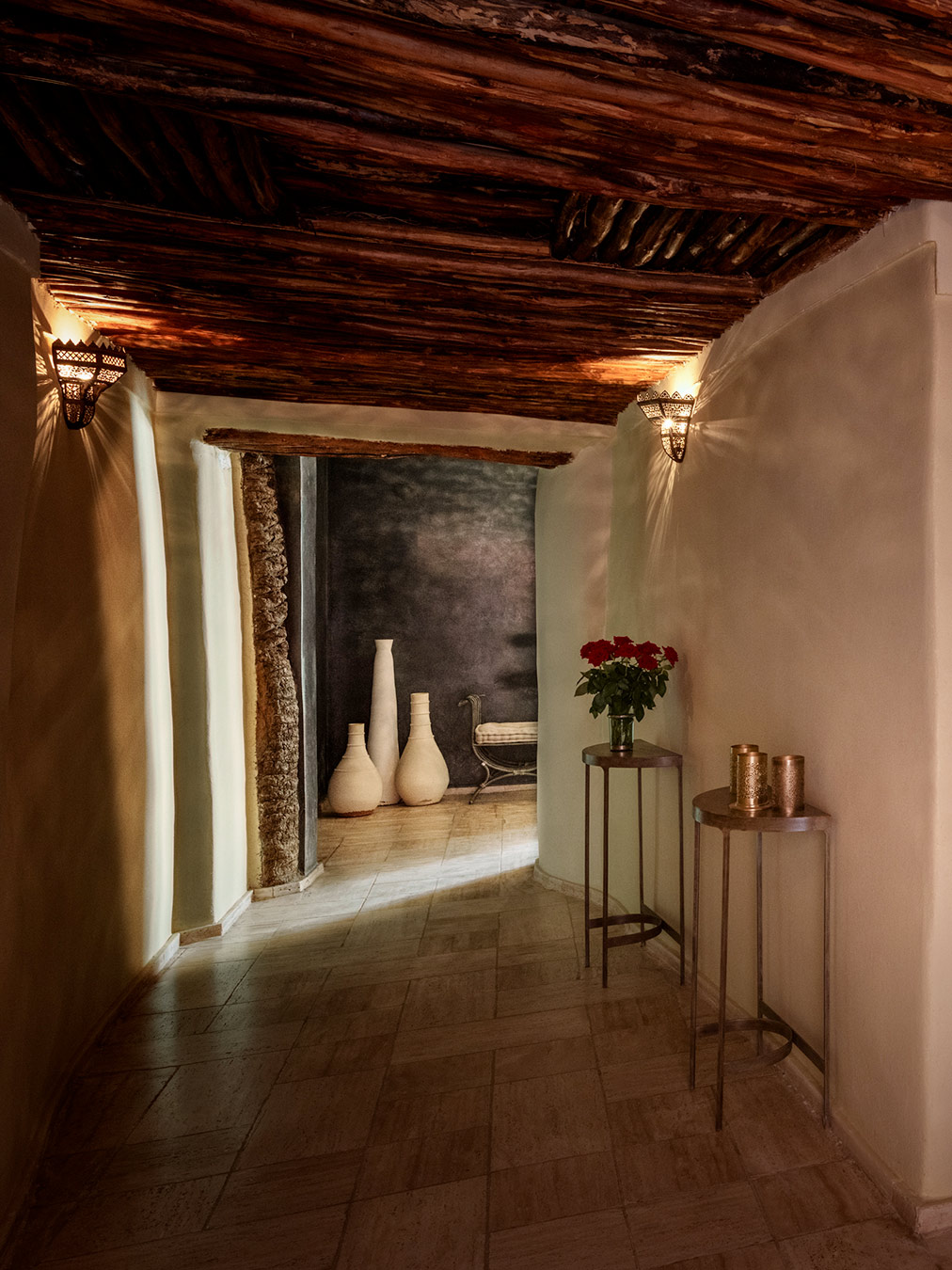
Behind the discreet doors of Marrakech Medina, traditional riads preserve a world that is often invisible from the street. Their walls carry the memory of generations, their courtyards reflect centuries of architectural wisdom, and their intimate atmosphere reveals a philosophy of living deeply rooted in Moroccan culture.
A riad is more than a building.
It is a place shaped by history, craftsmanship and the rhythms of everyday life. Its architecture tells stories of privacy, hospitality, family traditions and the relationship between interior spaces and the outside world.
For travelers seeking an authentic experience in Marrakech, staying in a traditional Moroccan riad offers the opportunity to discover this heritage from within.
At Riad Joya, a luxury riad in the heart of Marrakech Medina, the soul of Moroccan architecture meets contemporary elegance. The result is an intimate setting where history is not simply preserved as decoration, but experienced through atmosphere, materials and thoughtful hospitality.
Understanding the Traditional Moroccan Riad
The architecture of a Moroccan riad reflects a distinctive understanding of space.
Unlike buildings designed to display their beauty toward the street, traditional riads are organized around an interior courtyard.
From the outside, their entrances are often discreet, revealing little of what lies beyond.
Inside, the atmosphere changes completely.
Natural light enters through the central opening, while surrounding rooms create a sense of protection and privacy. Water, plants and architectural proportions contribute to an environment designed for comfort and contemplation.
This inward-looking structure reflects an important aspect of Moroccan domestic culture.
The home has traditionally been considered a private world, separated from the activity of public streets.
Beauty is therefore discovered gradually rather than immediately displayed.
For visitors staying in a Marrakech Medina riad, this architectural contrast becomes one of the most memorable aspects of the experience.
Crossing the threshold means entering another rhythm. One where the city remains close, yet its intensity seems to disappear.
Walls That Preserve the Memory of Craftsmanship
The walls of a traditional riad are never merely structural.
They often reveal the work of artisans whose knowledge has been transmitted across generations.
Moroccan architecture brings together several distinctive crafts, including zellige tilework, carved wood, traditional plasterwork and the use of natural materials. Each technique requires patience, precision and an understanding of proportion.
Zellige mosaics, for example, are composed of individually shaped ceramic pieces arranged into geometric patterns. Their complexity reflects both mathematical knowledge and artistic expression. Carved wood introduces another dimension.
Decorative details, doors and ceilings reveal the ability of craftsmen to transform natural materials into architectural elements of remarkable delicacy.
Traditional plasterwork adds depth through intricate patterns and carefully shaped surfaces. Together, these techniques create an architectural language that is immediately recognizable yet endlessly varied.
At Riad Joya, Moroccan craftsmanship contributes to an atmosphere where heritage and contemporary refinement coexist naturally.
For guests searching for a luxury riad in Marrakech, these details offer more than visual beauty. They create a connection to the cultural identity of the city.

The Courtyard: The Heart of Riad Life
In traditional Moroccan architecture, the courtyard is the emotional and physical center of the home.
It brings together the surrounding spaces, welcomes natural light and creates a protected environment within the density of the Medina.
Historically, courtyards were places of everyday life.
Families gathered, conversations unfolded, meals were shared and the changing hours of the day were experienced through light and shadow.
Water and vegetation often played an important role in creating a pleasant atmosphere.
The presence of a fountain or small garden introduced a sense of freshness, while the surrounding architecture provided shade and privacy. These principles remain remarkably relevant today.
In a world where travel is often defined by movement and stimulation, the courtyard offers an invitation to remain still.
At Riad Joya, the intimate atmosphere of the riad encourages guests to appreciate this traditional relationship between architecture and tranquility.
A quiet morning, a moment with tea or simply the observation of changing light can become part of the experience. The courtyard does not need to entertain. Its purpose is to create a sense of belonging.

The Invisible Heritage of Moroccan Hospitality
The soul of a riad is not found only in its architecture.
It also lives through the traditions of hospitality that have shaped Moroccan culture for centuries.
Welcoming guests has long been associated with generosity, respect and the desire to create comfort.
The offering of mint tea, the preparation of a meal and the attention given to visitors reflect a philosophy where hospitality is considered a meaningful human exchange.
In traditional Moroccan homes, guests are welcomed into a space that is both private and personal.
This creates a relationship that differs from the more anonymous atmosphere of large hotels. A riad preserves this intimacy.
Its smaller scale allows hospitality to become more attentive, while the architectural setting encourages a sense of calm and familiarity.
At Riad Joya, this philosophy is expressed through discreet service and personalized attention. Rather than imposing a fixed rhythm, the experience is shaped around the individual guest.
For travelers choosing a boutique hotel in Marrakech, this personal dimension often becomes as memorable as the destination itself.
Because the true character of a place is revealed not only through what it contains. But through how it makes people feel.
Preserving Heritage Through Contemporary Elegance
The challenge of preserving a traditional riad lies in finding the right balance between authenticity and modern comfort.
Historic architecture carries its own identity.
Its proportions, materials and decorative techniques reflect a cultural context that deserves to be respected.
At the same time, contemporary travelers expect comfort, privacy and refined hospitality.
The most successful interpretations of Moroccan luxury do not attempt to replace tradition.
At Riad Joya, this balance defines the property’s identity.
Traditional architectural influences and Moroccan craftsmanship coexist with individually designed suites, carefully considered interiors and contemporary comforts. The result is neither a museum nor a standardized luxury hotel.
It is a living environment where heritage remains relevant to the present.
For travelers searching for an authentic Moroccan riad in Marrakech Medina, this approach offers a more meaningful interpretation of luxury. The beauty of the past is preserved without compromising the pleasures of the present.
Why Every Riad Has Its Own Identity
No two traditional riads are entirely alike.
Even when they share architectural principles, each property possesses its own character, shaped by its proportions, materials, history and the people who inhabit it. Some riads express grandeur through elaborate decoration.
Others reveal their personality through simplicity, intimacy and carefully balanced spaces. Unlike standardized accommodation, where experiences are designed to remain consistent across destinations, a riad is deeply connected to its location.
Its identity cannot be separated from the Medina, the craftsmanship or the cultural traditions that surround it.
At Riad Joya, individuality is expressed through seven distinctive suites and an atmosphere that favors refinement over excess.
Every space contributes to a coherent experience, yet retains its own character.
This attention to identity creates something increasingly valuable in contemporary travel. Guests do not simply stay in Marrakech. They experience a particular interpretation of the city, shaped by the personality of the riad itself.
Discover the Soul of Marrakech at Riad Joya
The soul of a traditional riad cannot be reduced to its architecture, decoration or history.
It emerges from the relationship between all these elements.
The walls preserve craftsmanship, the courtyard creates tranquility, the materials connect the present to the past, and hospitality brings the space to life.
Together, they form an experience that extends beyond accommodation.
At Riad Joya, this philosophy is reflected in the intimate atmosphere, refined interiors and personalized hospitality that define the property.
For travelers searching for a Moroccan riad in Marrakech, a luxury boutique hotel in Marrakech Medina or an authentic stay rooted in Moroccan heritage, Riad Joya offers an opportunity to experience the city’s architectural and cultural identity from within.
The most memorable places are not always those that reveal everything at first sight. Sometimes, their beauty unfolds slowly.
Through the silence of a courtyard, the texture of an ancient craft or the warmth of a thoughtful welcome.
Because the soul of a riad is not simply found within its walls. It is found in everything those walls allow us to feel.